

Global Connect Programme Space Japan
Japan
The Japanese Corner Table Art:
Learn more about the exciting highlights of places CCKSians may visit as part of their inaugural Japan Trip in 2026! You may also utilise this opportunity to find out more about these Japanese cities which are rich in culture, history and exciting lifestyle experiences!

Shinkamigoto しんかみごとう
The Shinkamigoto Board of Education sends a group of students from its high schools on a learning trip to Singapore every year. In 2025, we felt that the time was right to send our students to Shinkamigoto and embarked on a recce trip with the goal of sending the first batch of CCKSians in 2026.
You can learn more about Shinkamigoto from here:
https://www.discover-nagasaki.com/en/featured-topics/about-shinkamigoto
Sasebo させぼ
Sasebo was on the return leg of our ferry journey from Shinkamigoto before we boarded a train to Fukuoka. Due to its strategic location and geographic proximity to Korea and China, Sasebo Naval District was founded in 1889 and played a key role as a forward operating base during the First Sino-Japanese and Russo-Japanese Wars. Sasebo today is also home to US warships as part of the US Fleet Activities Sasebo, which was formed in 1946.
You can learn more about Sasebo from here:
https://www.discover-nagasaki.com/en/featured-topics/about_sasebo
Fukuoka ふくおか
Fukuoka, located on the northern shore of Japan’s Kyushu Island, is a vibrant city where modern urban life meets rich tradition. Known for its welcoming atmosphere, Fukuoka offers historic temples, and scenic coastal views. It’s also a culinary hotspot, famous for its Hakata ramen and lively street food stalls. With its mild climate, convenient transportation, and blend of culture, food, and nature, Fukuoka is a gateway to the charm of southern Japan.
You can learn more about Fukuoka here:
https://www.japan.travel/en/destinations/kyushu/fukuoka/
Nagasaki ながさき
Located along the western edge of Kyushu in southwestern Japan, Nagasaki Prefecture is made up of both mainland areas and a vast collection of islands scattered along its coast. With its position facing the sea and framed by mountains, the region is famous for breathtaking sunsets over clear blue waters. Nagasaki also offers a peaceful island lifestyle and is renowned across Japan for its wide selection of incredibly fresh seafood.
Nagasaki is also known for its resilience. Nagasaki's Christians endured persecution during the Edo period, it also overcame an atomic bombing during World War II and the eruption of nearby Mount Unzen. Due to the rich learning opportunities for our CCKSians, Nagasaki is definitely a city which they will visit during their trip to Japan in 2026.
You can learn more about Nagasaki from here:
https://www.discover-nagasaki.com/en/featured-topics/aboutnagasaki
The Japanese Corner Bench Art:
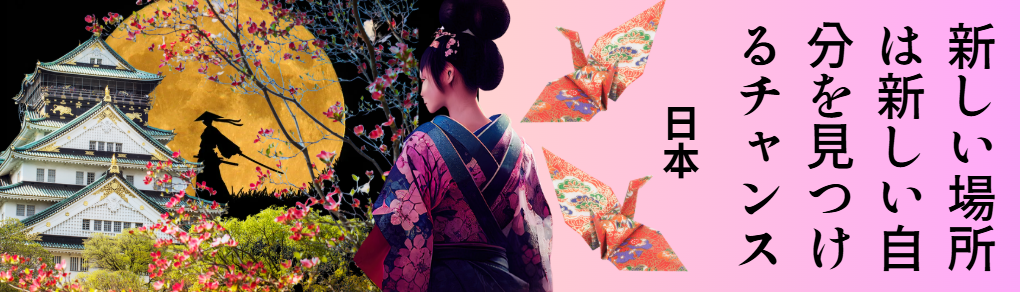
Every new place is a chance to discover a new you (新しい場所は新しい自分を見つけるチャンス)
A-ta-ra-shii ba-sho wa a-ta-ra-shii ji-bun o mi-tsu-ke-ru chan-su
Japan is a country where every region feels like stepping into a different world, making the quote “Every new place is a chance to discover a new you” especially fitting. From the futuristic energy of Tokyo’s neon streets to the quiet Zen gardens of Kyoto, from snowy Hokkaido landscapes to subtropical Okinawa beaches, each destination invites travelers to see and feel differently. The blend of ancient tradition with cutting-edge modernity encourages reflection, growth, and fresh perspectives. In Japan, exploring a new place isn’t just sightseeing—it’s a chance to rediscover yourself in ways you never expected.
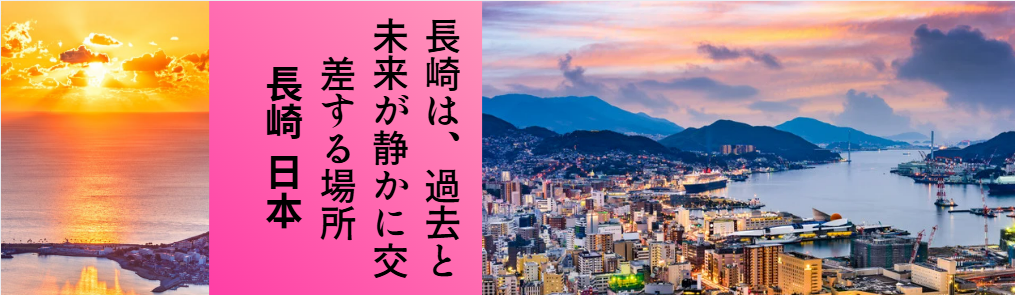
Nagasaki is a place where the past and the future quietly intersect (長崎は、過去と未来が静かに交差する場所)
Nagasaki wa, kako to mirai ga shizuka ni kōsa suru basho
Nagasaki truly embodies the idea that “the past and the future quietly intersect.” Once a gateway to foreign influence during Japan’s period of isolation, it carries deep memories of cultural exchange, Christian heritage, and the profound scars of the atomic bombing. Yet today, Nagasaki is also a vibrant, forward-looking city—alive with innovation, global connections, and youthful energy. Walking its streets, you can feel layers of history resting gently alongside modern life, where quiet temples and old trading posts stand not far from bustling harbors and shining towers. In Nagasaki, the weight of the past and the promise of the future coexist in harmony, inviting visitors to pause and reflect.
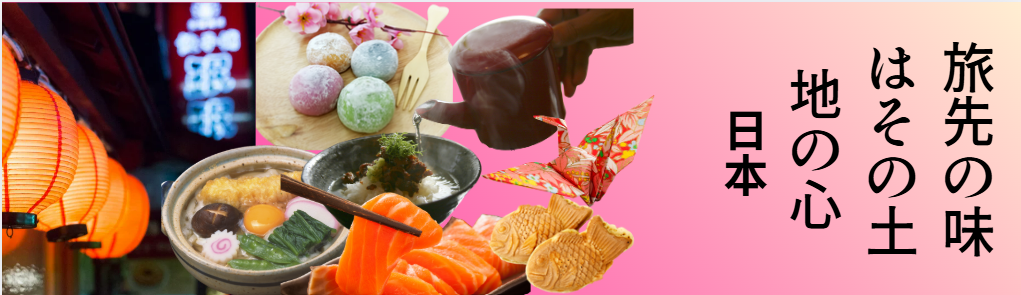
The taste of travel is the heart of the land (旅先の味はその土 地の心)
Lǚxíng ràng rén qiānbēi, nǐ huì fāxiàn shìjiè zhī dà, zìjǐ zhī miǎoxiǎo
“The taste of travel is the heart of the land” feels especially true in these regions of Kyushu. In Nagasaki, every dish tells a story of cultural exchange, from centuries-old Chinese and Dutch influences to the comforting flavors of champon noodles. In the Goto Islands and Shinkamigoto, simple yet soulful meals—freshly caught fish, handmade udon, or traditional kamaboko—reflect the close bond between the people and the sea that sustains them. Meanwhile, Fukuoka shines as a modern culinary hub, where steaming bowls of Hakata ramen and lively yatai street stalls embody the city’s warmth, energy, and hospitality. Together, these places show how food is more than flavor—it is a direct expression of history, community, and spirit.
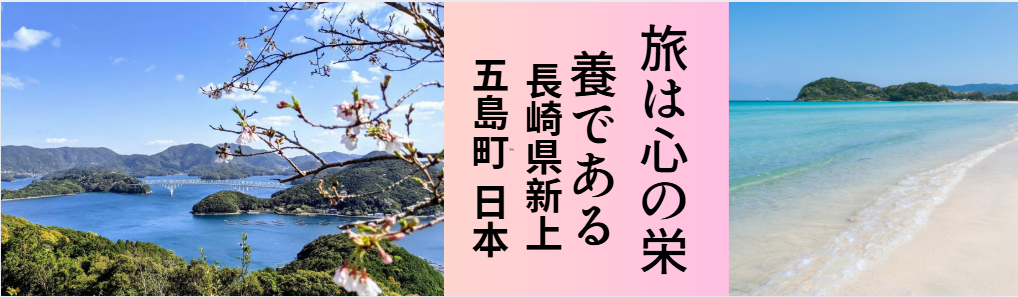
Travel is nourishment for the soul (旅は心の栄養である)
Tabi wa kokoro no eiyō de aru
“Travel is nourishment for the soul” beautifully captures the essence of visiting Shinkamigoto and the Goto Islands. These remote islands offer a slower rhythm of life, where unspoiled coastlines, hidden churches, and quiet fishing villages invite visitors to breathe deeply and reconnect with themselves. The natural beauty of the turquoise seas and star-filled skies, combined with the warmth of the island communities, gives travelers a sense of renewal that goes beyond sightseeing. In the Goto Islands, each journey feels like a retreat for the heart, feeding the spirit with peace, reflection, and simple joys that linger long after you leave.